 اللغه
اللغه
 اللغه الانجليزيه

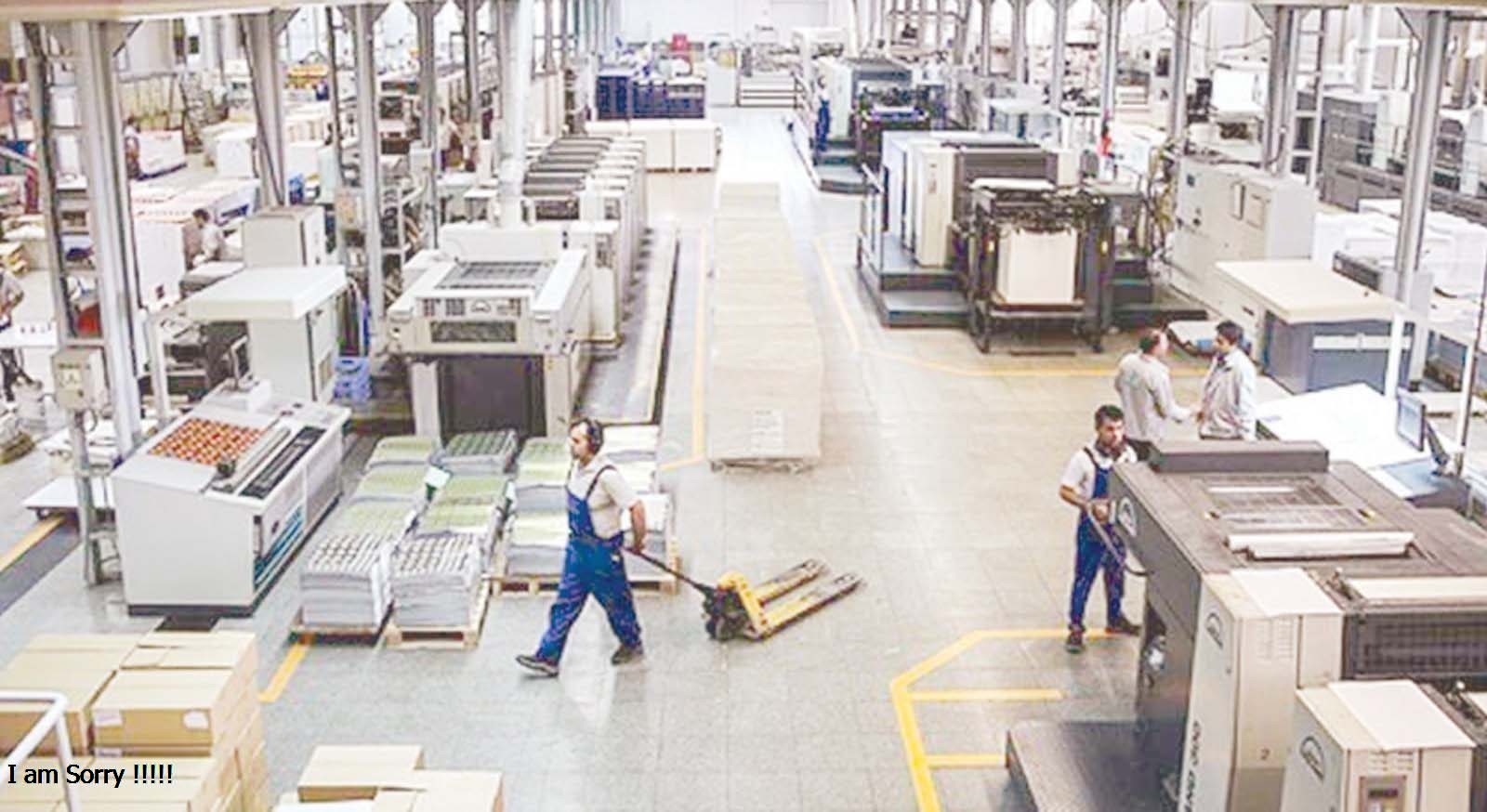
فى حواره مع عن مستقبل طباعة الكتب فى مصر: كشف أحمد جابر ، رئيس غرفة الطباعة والتغليف ، في اتحاد الصناعات، أن قرار وقف طباعة الكتاب والتحول إلى "الديجيتال" سيقلل ما يتم طباعته سنويا بنسبة 50 % ، وهو ما يعتبر عبئ جديد على كاهل صناعة الطباعة، الأمر الذى يدفعنا إلى البحث عن أسواق جديدة للتصدير ، مؤكدا إن هناك تواصل مع وزارة التربية والتعليم لعقد اجتماع مع وزير التعليم الدكتور طارق شوقى ، لمناقشة قضية وقف طباعة الكتاب المدرسى، مشيرا إلى أن التعاقد على طباعة الكتاب لأى دولة أخرى يرتبط بوجود علاقات قوية معها، ليس فقط من خلال نشاط القطاع الخاص.
وأشار جابر ، إلى أن تكلفة طباعة الكتاب المدرسى 1.6 مليار جنيه منها تقريبا 400 مليون جنيه لطباعة كتب المراحل الثلاثة للثانوية العامة، مشيرا إلى أن قرار وزيرة التربية والتعليم بوقف طباعة كتاب الصف الأول الثانوى يؤثر على المطابع بشكل كبير ، موضحا أن المطابع ستسعى إلى طباعة الكتب في الدول الأفريقية لتعويض وقف طباعة بعض المراحل في مصر، مشيرا إلى إعداد استراتيجية لزيادة الصادرات في مجال طباعة الكتب، والفترة المقبلة تشهد التركيز على الزيارات الخارجية لدول في أفريقيا وعلى رأسها أوغندا وكينيا.
أوضح رئيس غرفة الطباعة، أنه لا يوجد بدائل أمام المطابع إلا بفتح سوق تصديرى، لتعويض أي نقص في عملية طباعة الكتاب المدرسى، مشيرا إلى أهمية خفض تكاليف صناعة الورق حتى تتمكن الشركات من المنافسة التصديرية للخارج، فسعر الغاز من العناصر الرئيسية التي تؤدى إلى زيادة في تكلفة الإنتاج، فالمقارنة السعرية الحالية سترجح كفة المنافسين بالخارج.
المصدر: اليوم السابع