 اللغه
اللغه
 اللغه الانجليزيه

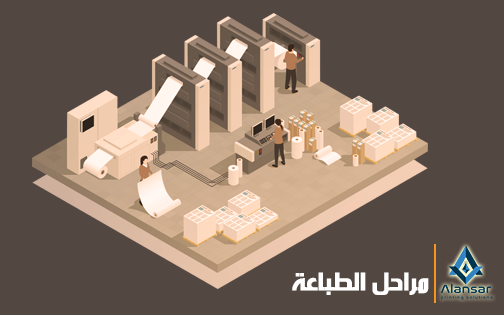
مراحل الطباعة عبارة عن ثلاثة مراحل يمر بها المطبوع قبل أن يصل إلى يد العميل أو القارئ، وكل مرحلة من هذه المراحل لها متطلبات وظروفها الخاصة التي تختلف عن باقي المراحل الأخرى، وفي هذه المقال سوف نتحدث عن هذه المراحل بالتفصيل.
مراحل الطباعة داخل مطابع الأوفست الكبرى في مصر
-
ما قبل الطباعة:
وتعرف هذه المرحلة بمرحلة التجهيزات الفنية، والتي يتم فيها تجهيز المطبوع أيًا كان نوعه سواء كتاب أو كتالوج أو بروشور أو غير ذلك للطباعة.
وفي هذه المرحلة يتأكد فنيين الطباعة من قابلية التصميم للطباعة، فليس كل تصميم يقبل الطباعة من حيث إمكانية تنفيذه وتوافقه مع الماكينات الموجودة.
وفي هذه المرحلة يتم تحويل المطبوع إلى أفلام ثم إلى زنكات والتي تشتهر بها طباعة الأوفست، وعن طريق هذه الزينكات نحصل على سطح الطباعة
وسطح الطباعة هو الأصل أو الماستر الذي تتم به عملية الطباعة في المرحلة الثانية وهي مرحلة الطباعة.
بالحصول على سطح الطباعة يتم طباعة أي كمية يطلبها العميل من المطبوع، وفي السنوات الأخيرة شهد مجال الطباعة الأوفست تطورًا كبيرًا.
وهذا التطور أسفر عن ابتكار جهاز يعرف بـ «سى تى بى»، وهو يتيح استخدام الكمبيوتر في إخراج التصميم مباشرة على سطح الطباعة أو «الماستر الطباعى»، لتنتهى بذلك مرحلة التجهيزات الفنية.
إقرأ أيضًا: خدمات ما بعد الطباعة خدمات تزيد من كفاءة المنتج
-
مرحلة الإنتاج الطباعي:
وفي هذه المرحلة تستخدم ماكينات الطباعة الأوفست لطباعة الماستر الطباعي، وهذه الماكينات نوعين: الأولى: مسطح يتعامل مع الشيت وطباعته، والثانية: ماكينات رول .
ولا تكتمل مراحل الطباعة بالوصول إلى هذه المرحلة، فالمطبوع لا بد أن يدخل إلى مرحلة ما بعض الطباعة حتى نحصل على منتج نهائي.
-
مرحلة ما بعد الطباعة:
وتعرف هذه المرحلة بمرحلة الفينشينج أو التجليد، حيث يمر خلالها المطبوع بأكثر من مرحلة بداية من لصق الغلاف بالغراء.
ثم يأتي دور عمليات البشر والسلفنة والقص، وذلك من خلال ماكينات وخطوط إنتاج تقوم بذلك بشكل آلي بعد أن كانت قديماً يدوية.
وبعد هذه المرحلة يكون المطبوع جاهز لتسليمه للعميل أو توزيعه على القراء، ولكن هناك مرحلة أخرى لا يمكن ضمها لـ مراحل الطباعة إلا أنها هذه المراحل تعتمد عليها.
وهذه المرحلة هي فحص الورق والأحبار ، والتي يمكن أن نطلق عليها مرحلة فحص الخامات المستخدمة في الطباعة.
-
مرحلة فحص الخامات
المطابع الكبرى بها معامل تحليل خاصة، مهمتها فحص كل الخامات والمدخلات الخاصة بعملية الطباعة، سواء ورق أو اللوح الطباعية أو أفلام أو أحبار أو محاليل طباعة»
فيما يتعلق بالورق مثلاً، يتم فحص مقاساته وأوزانه وأبعاده، ودرجة بياضه، أما الأحبار فيتم فحص نسبة جودتها ولزوجتها وسيولتها وعدد الأوراق التي يمكن طباعتها بها، وهل ملائمة للماكينة أيضاً أم لا؟.
برغم مميزات الطباعة الأوفست، إلا أن الوقت الذي تستغرقه هذه المراحل حتى يخرج المنتج النهائي كبير جدًا، وهو ما لا يتوافق مع احتياجات بعض العملاء الذين يريدون طباعة المطبوعات في أسعر وقت ممكن.
ولكن الطباعة الرقمية أو التي يطلق عليها أحيانا الطباعة الديجيتال تغلبت على هذا الأمر، عن طريقة إصدار أمر الطباعة مباشرة للملف عن طريق الحاسب الشخصي دون الدخول في مرحلة التجهيزات الفنية التي تتبعها الطباعة الأوفست، وهو ما يوفر وقتًا وجهدًا كبيران للعميل وصاحب المطبعة.