 اللغه
اللغه
 اللغه الانجليزيه

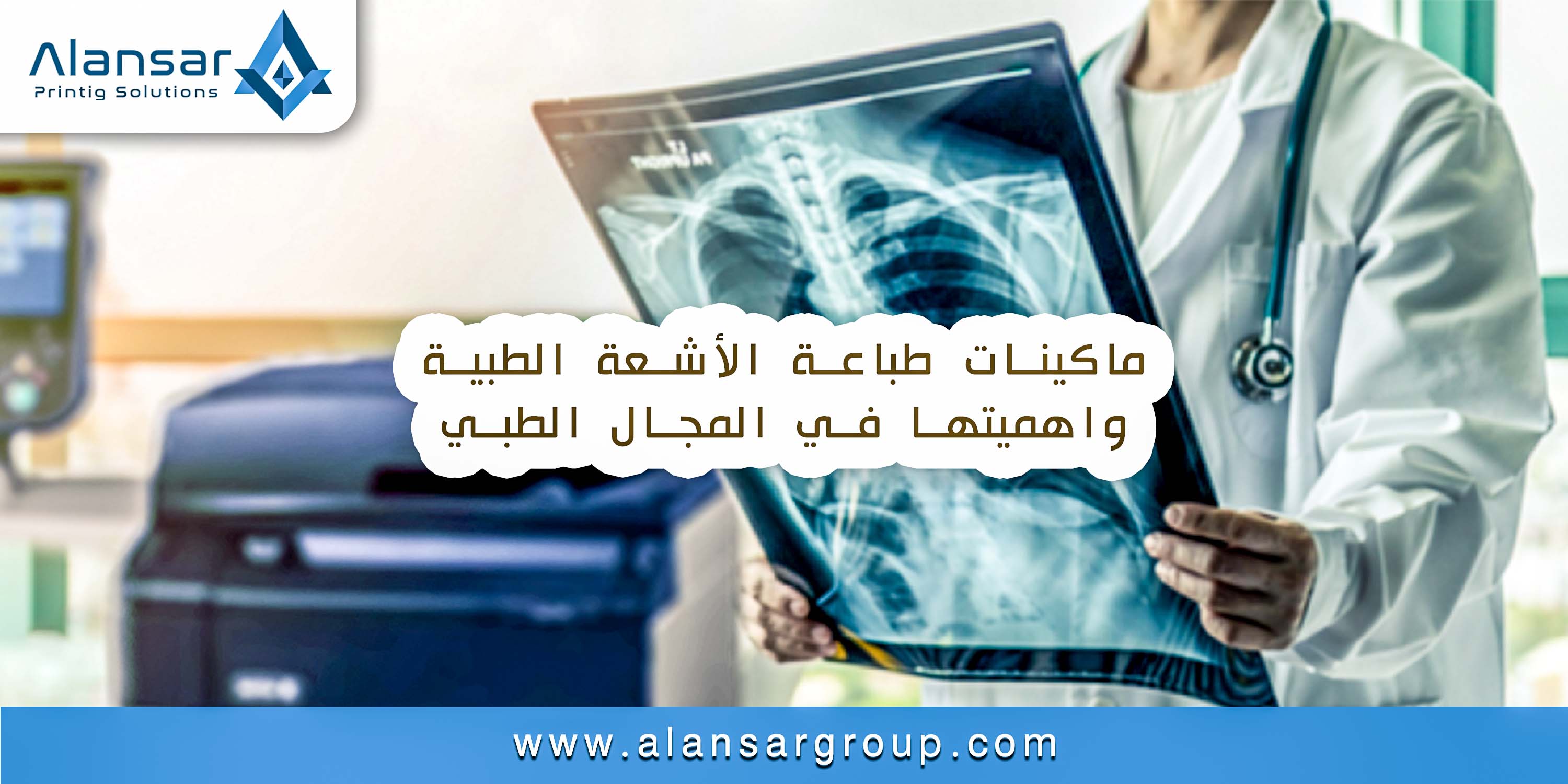
تعتبر طابعات الاشعة الطبية أحدث التقنيات في مجال الطب، وتعتبر خطوة هامة في تطوير هذا المجال. حيث تتيح هذه الطابعات تحويل الصور الطبية الرقمية إلى صور مطبوعة على الورق، وبالتالي تمكين الأطباء والممرضين من الحصول على صور أشعة مطبوعة فورًا، وهذا يوفر الكثير من الوقت والجهد، ويساعد أيضًا في تحسين الرعاية الصحية والتشخيص الدقيق.
تعمل الات طباعة الاشعة الطبية على طباعة الصور الرقمية على ورق عالي الجودة، ويمكن أن تطبع أيضًا على أنواع مختلفة من الأفلام. لكن تعمل الآن ماكينات طباعة الأشعة الطبية بشكل أساسي على طباعة الصور على الورق، ويتم ذلك باستخدام تقنية الطباعة الحرارية.
وتتميز الطباعة على الورق عن طباعة الأفلام بتوفيرها لنتائج أسرع بكثير، إذ يمكن للطبيب الحصول على الصورة الشعاعية فور إجراء الفحص. كما أن تكلفتها أقل من الأفلام، مع إمكانية طباعة عدد كبير من النسخ بسرعة وسهولة وإمكانية التكبير والتحليل على أي جزء من الصورة مما يساعد في التشخيص بشكل أفضل.
إن هذه الماكينات مزودة بتقنيات متطورة تمكنها من إنتاج صور شعاعية عالية الجودة والدقة على الورق العادي. ومن أهم ما يميز هذه التقنية:
- استخدام أحبار خاصة لا تتأثر بالضوء، مما يحافظ على جودة الصورة لفترات طويلة.
- القدرة على إنتاج درجات لون رمادي متعددة تصل إلى الآلاف، مما يُظهر التفاصيل الدقيقة في الصورة.
- تقنيات معالجة الصورة المتقدمة مثل reducing noise وedge enhancement تزيد من وضوح الصورة.
- سرعات طباعة عالية تصل إلى 100 ورقة في الدقيقة، مما يوفر الوقت ويسرع الإجراءات.
- إمكانية الاتصال بشبكة المستشفى لتخزين الصور واسترجاعها بسهولة.
- وحدات تغذية أوتوماتيكية للورق تسمح بطباعة أعداد كبيرة دون توقف.
تتوفر العديد من أنواع طابعات الأشعة الطبية في السوق، وتتميز بعضها بسرعات عالية ودقة عالية، وبعضها الآخر يتميز بتوفير الكثير من المزايا بما في ذلك التوافق مع أنظمة أخرى في المستشفيات والمعامل. وتشمل بعض أنواع طابعات الأشعة الطبية المتاحة في السوق الآن: زيروكس 78 بكل سرعاتها من 30 ورقة في الدقيقة الى 55 ورقة في الدقيقة، وزيروكس 650، وريكو 6502 و5100 التي تعد من اقل ماكينات الطباعة الديجيتال تكلفة لكنها توفر جودة عالية في مجال الاشعة وكانون CXDI، وفوجي فيلم DryPix، وغيرها الكثير.
تختلف طابعات الأشعة الطبية عن باقي الطابعات الرقمية وماكينات الطباعة والتصوير بأنها تتطلب معالجة صور أشعة معقدة، وتتطلب أيضًا تقنيات طباعة خاصة بسبب حساسية هذه الصور. كما أنها تتطلب أيضًا تقنيات خاصة لتحسين جودة الصور وتحديد التباين والتفاصيل الدقيقة.
وتعتبر شركات مثل زيروكس وريكو وفوجي فيلم والعديد من الشركات الأخرى من بين أفضل براندات طابعات الأشعة الطبية المتاحة في السوق، وتتميز هذه الشركات بتقديم أسعار ماكينات الطباعة ذات تكلفة منخفضة وذات جودة عالية وأداء ممتاز، وتوفير العديد من المزايا للمستشفيات والمعامل.
بالإضافة إلى ذلك، تحتوي بعض طابعات الأشعة الطبية على ميزات إضافية مثل قدرتها على طباعة الصور بأحجام مختلفة، وتوفير الرسوم البيانية والتحليلات الإحصائية المفصلة للصور الطبية.
وبالنظر إلى العديد من المزايا التي توفرها ماكينات طباعة الأشعة الطبية، فإنها تعد استثمارًا مهمًا للمستشفيات والمعامل ومراكز الأشعة الطبية. وتعتبر هذه الماكينات حلًا مثاليًا لتحسين الرعاية الصحية والتشخيص الدقيق وتوفير الوقت والجهد والمال.
وبهدف تعريف الجمهور بأحدث التقنيات في مجال طباعة الأشعة الطبية وعرض أحدث الأجهزة والمعدات، يسرنا دعوتكم لحضور معرض Print 2 pack الذي سيقام من 2:4 سبتمبر 2023 في أرض المعارض - محور المشير طنطاوي في القاهرة الجديدة. سيعرض المعرض أحدث التقنيات والمعدات في مجال طباعة الأشعة الطبية، بما في ذلك ماكينات طباعة الأشعة الطبية من شركات مثل زيروكس وريكو وكانون وفوجي فيلم، والعديد من البراندات الأخرى. فلا تفوتوا فرصة حضور هذا المعرض الرائع والتعرف على أحدث التقنيات في مجال طباعة الأشعة الطبية.